|
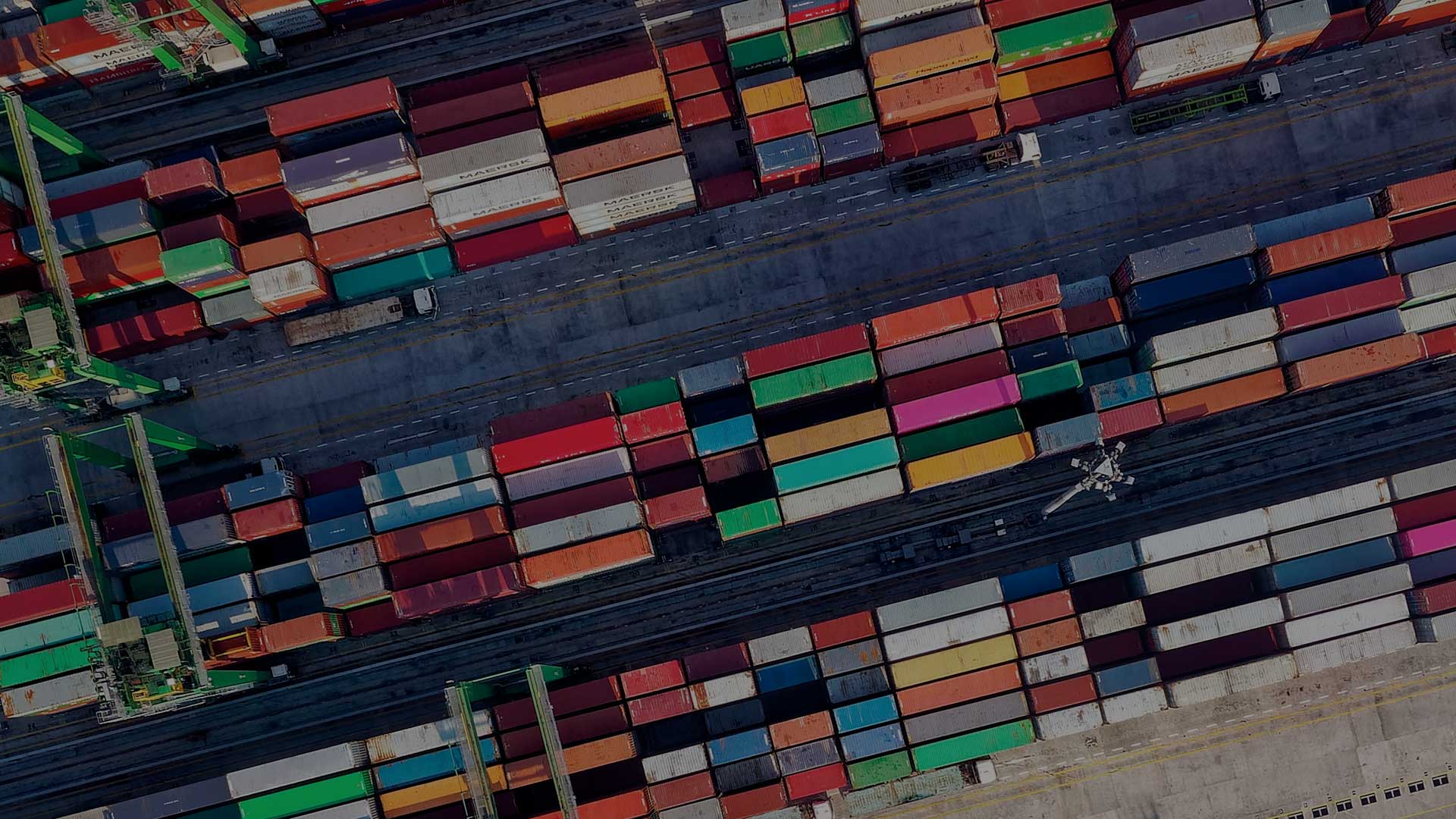
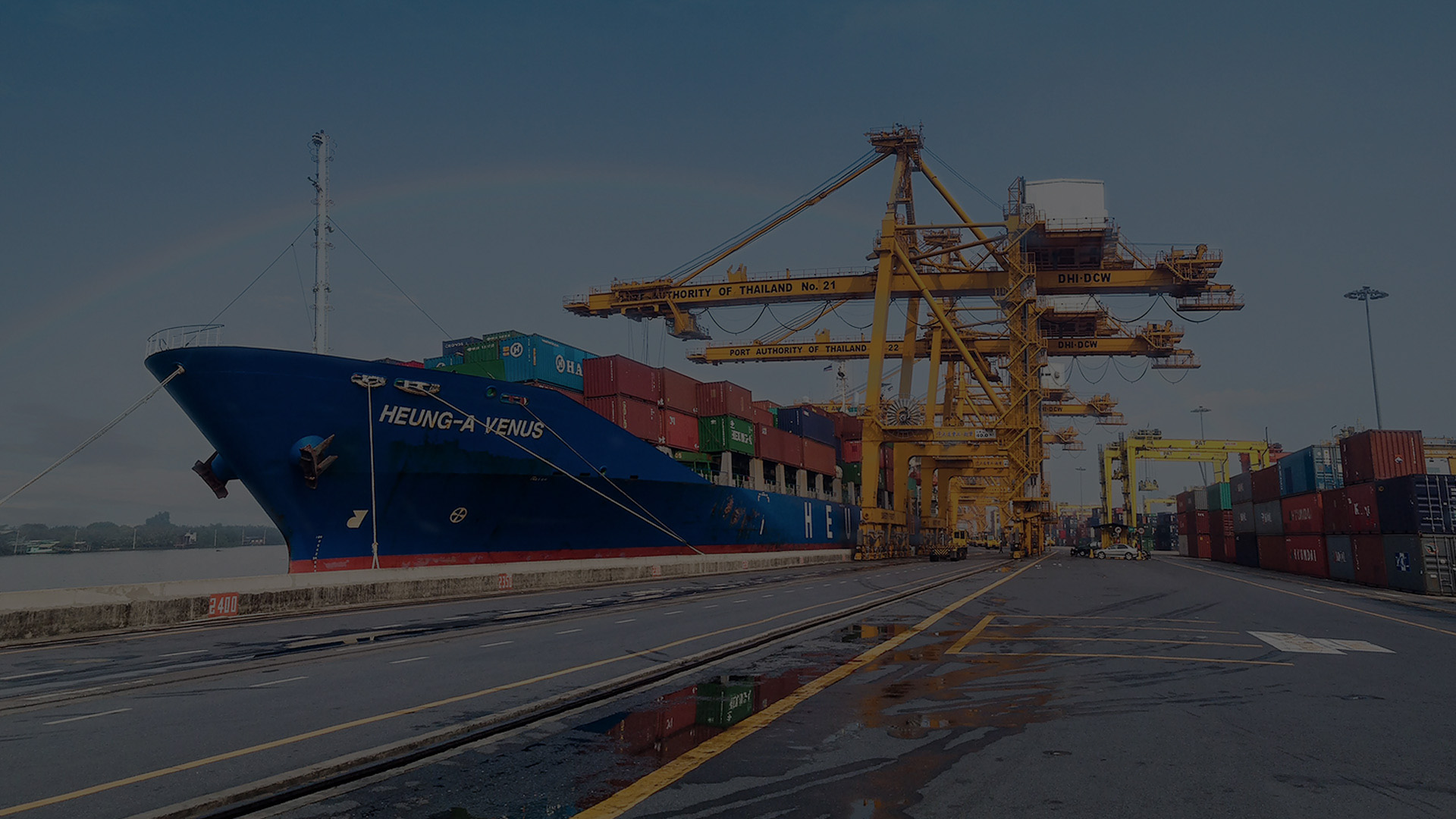
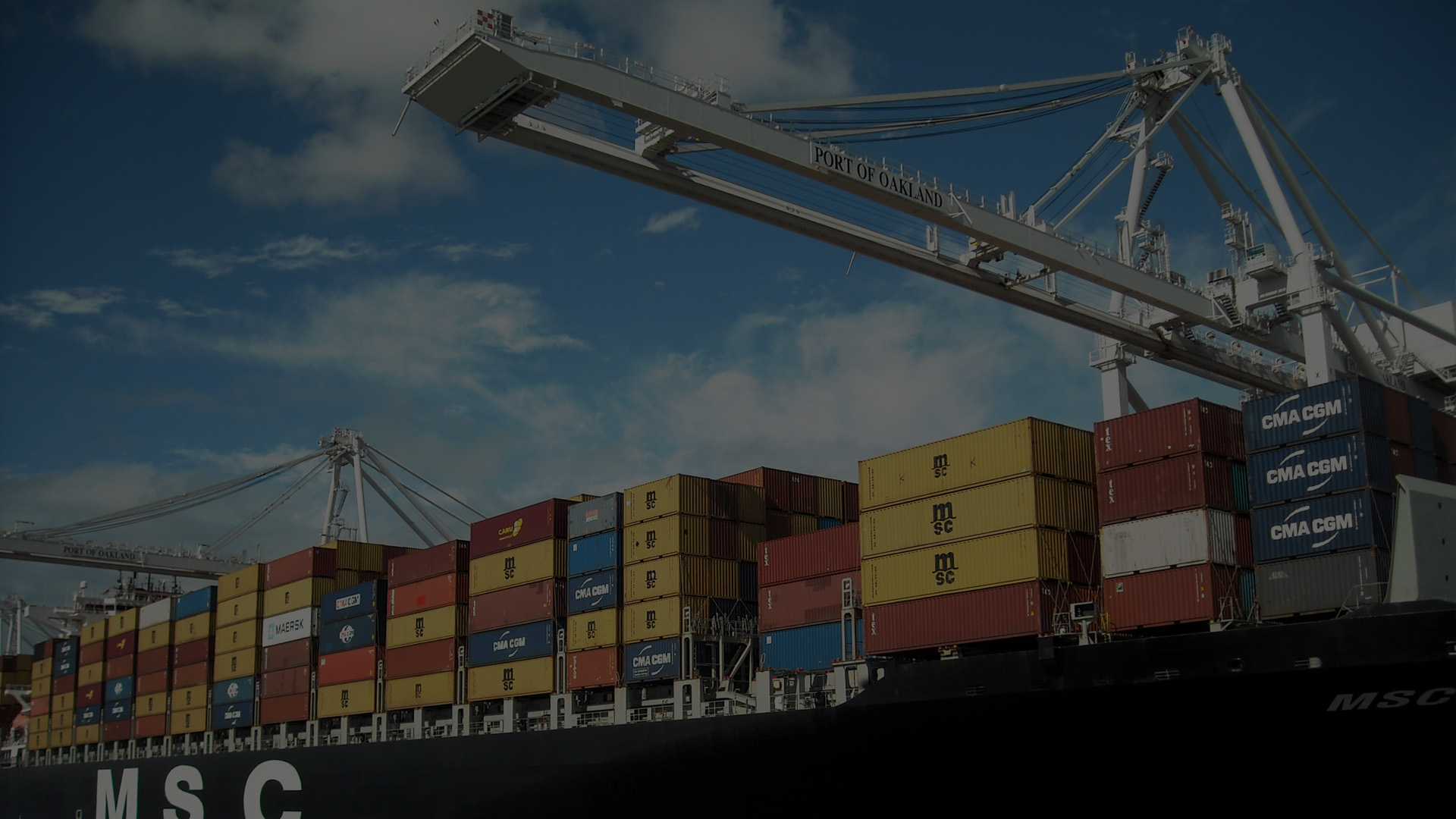
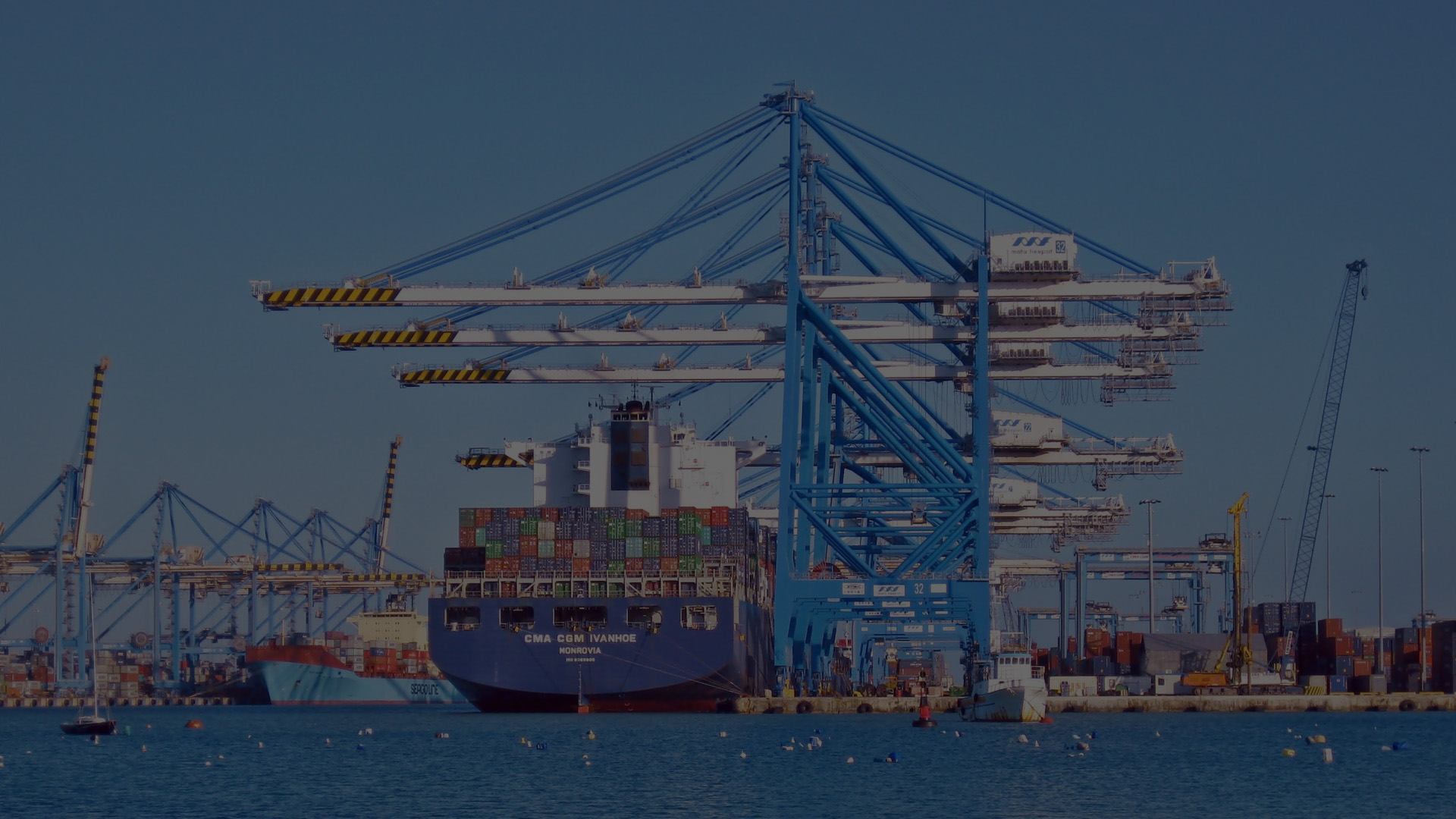
Approximately, six million fully loaded cargo containers arrive by ship at various seaports throughout the U.S. every year. This number represents nearly half of all incoming trade. Other countries, such as Japan, Singapore and the U.K., are even more dependent on sea container traffic.
In January 2002, the Container Security Initiative (CSI) was established to insure that terrorists have not infiltrated cargo entering the U.S. Customs is entering into partnerships with other governments worldwide to identify "high-risk" cargo containers and prescreen those containers at the foreign port before they are sent on to the United States. (A "high-risk" container is one that could be used by terrorists to conceal weapons or even the terrorists themselves.)
What Exactly will The Initiative Do for Security
The main element of the CSI program is to place U.S. Customs inspectors at the various foreign seaports. Known as "CSI Ports," these foreign countries agree to work with the U.S. in the screening of U.S.-bound cargo containers. U.S. Customs inspectors will be working along side their foreign counterparts to pre-screen and target high-risk cargo containers using radiation detectors, large-scale x-ray and gamma ray machines, minimizing the threat of terrorism.
"Six million fully loaded cargo containers arrive by ship at various seaports throughout the U.S. every year."
Customs plans to conduct security screenings during a window of time referred to as "down time," which is usually a several-day period when containers are sitting in a terminal yard waiting to be loaded on to a vessel. Additionally, security screenings do not need to be performed a second time in the United States, cutting days off of the shipping cycle. The CSI program is clearly a necessary security program that global shipping cannot do without.
By August - Five Ports In Partnership With U.S.
As of August, the United States had partnered with five nations that have agreed to implement the CSI program. These countries include Canada, which assisted the U.S. with the concept, and The Netherlands, Belgium, France and Germany. These countries represent five of the top twenty ports worldwide including the ports of Rotterdam, Antwerp, Le Havre, Bremerhaven and Hamburg.
Customs' goal is to obtain partnerships with the top twenty ports around the globe, representing nearly seventy percent of all containers shipped to the U.S. The first group of Customs "targeting" personnel set up shop in late August at the Port of Rotterdam, Europe's largest seaport. U.S. Customs personnel are working side-by-side with Dutch Customs, targeting and screening outbound cargo heading to U.S. ports. The "targeting" personnel observe security inspections of those "high risk" containers performed by the host nation personnel. Once these containers are deemed secure, they are sealed using tamper-proof seals. Additional methods of tamper proofing are being developed with the assistance of the Department of Transportation.
Next Step - "24-hour" Regulation
The "24-hour" regulation, proposed in August, would require ocean carriers to transmit manifest information 24 hours in advance of lading at a foreign port, for cargo being shipped to the United States. Information for this proposed program would come, in part, from the Automated Manifest System, which provides the majority of the information already. The "24-hour" regulation will eliminate vague descriptions such as "freight of all kind" - FAK and "said to contain" - STC currently used to describe some cargo shipments. In doing away with these non-specific cargo descriptions, Customs will be in a better position to target and secure containers that pose a threat to the U.S.
According to Customs officials, the "24-hour" regulation under CSI would complete the targeting of potential high-risk containers before arriving on U.S. shores. Manifest information will be processed using the U.S. Customs Automated Targeting System (ATS). A sophisticated system capable of sorting and processing large quantities of information very quickly, the ATS helps Customs determine which containers are high risk. Currently, about 97% of cargo containers entering the U.S. annually receive some form of advance manifest information. All this information is currently being run through ATS, which gives the cargo a risk assessment score in a matter of seconds, prior to entering the U.S. Under CSI, Customs is proposing to go one step further by implementing ATS before cargo containers ever leave a foreign port.
Customs has come a long way in just a short period of time. At the rate they're going, they will achieve their goal of converting the top 20 seaports to "CSI Ports" in no time at all.
Back to top
|